Clearance











For those looking to significantly improve their 1911, focusing on key areas can yield the most impactful results.
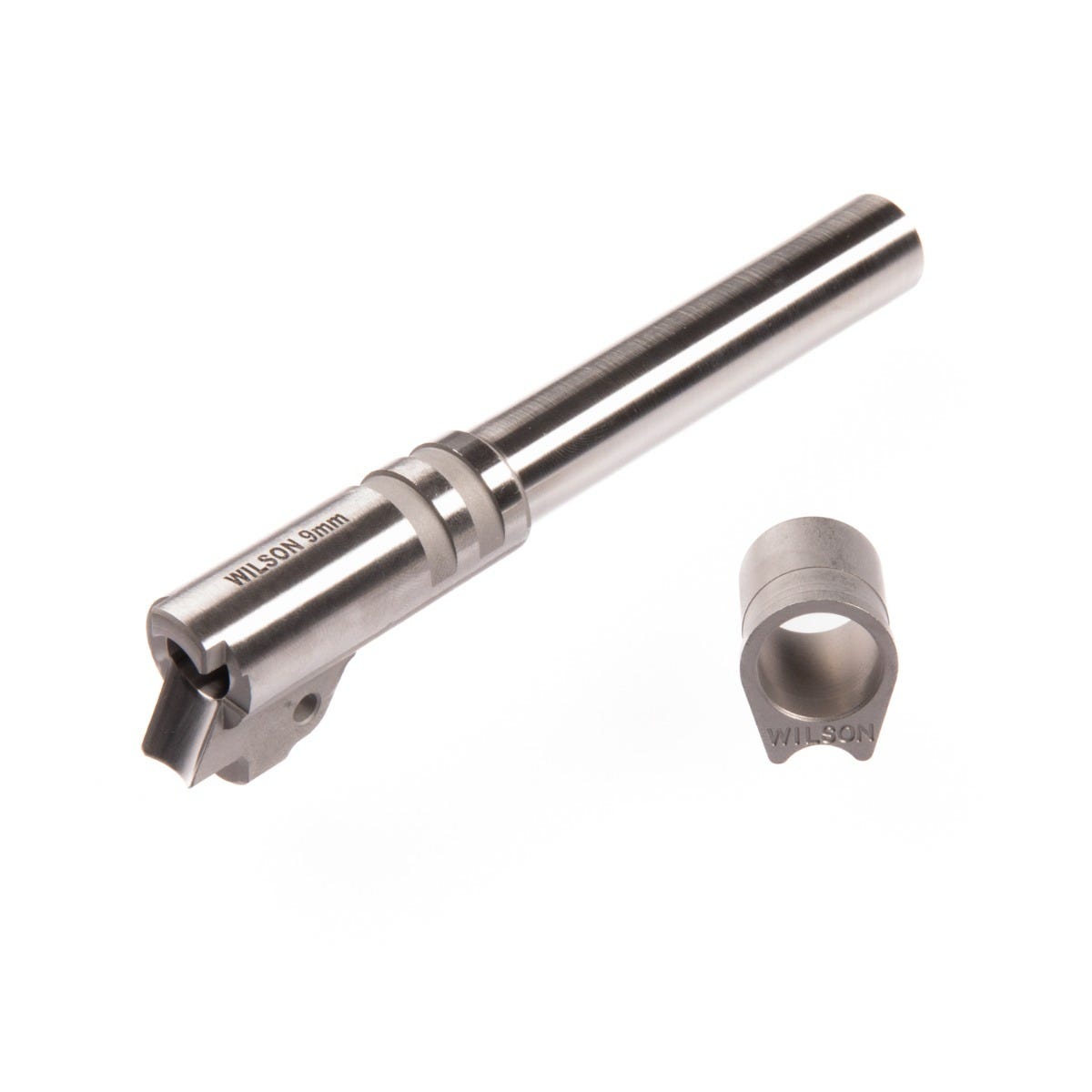
Barrels - Upgrading to a match grade or threaded barrel can dramatically enhance accuracy and allow for the attachment of muzzle devices like compensators, reducing recoil and muzzle rise.
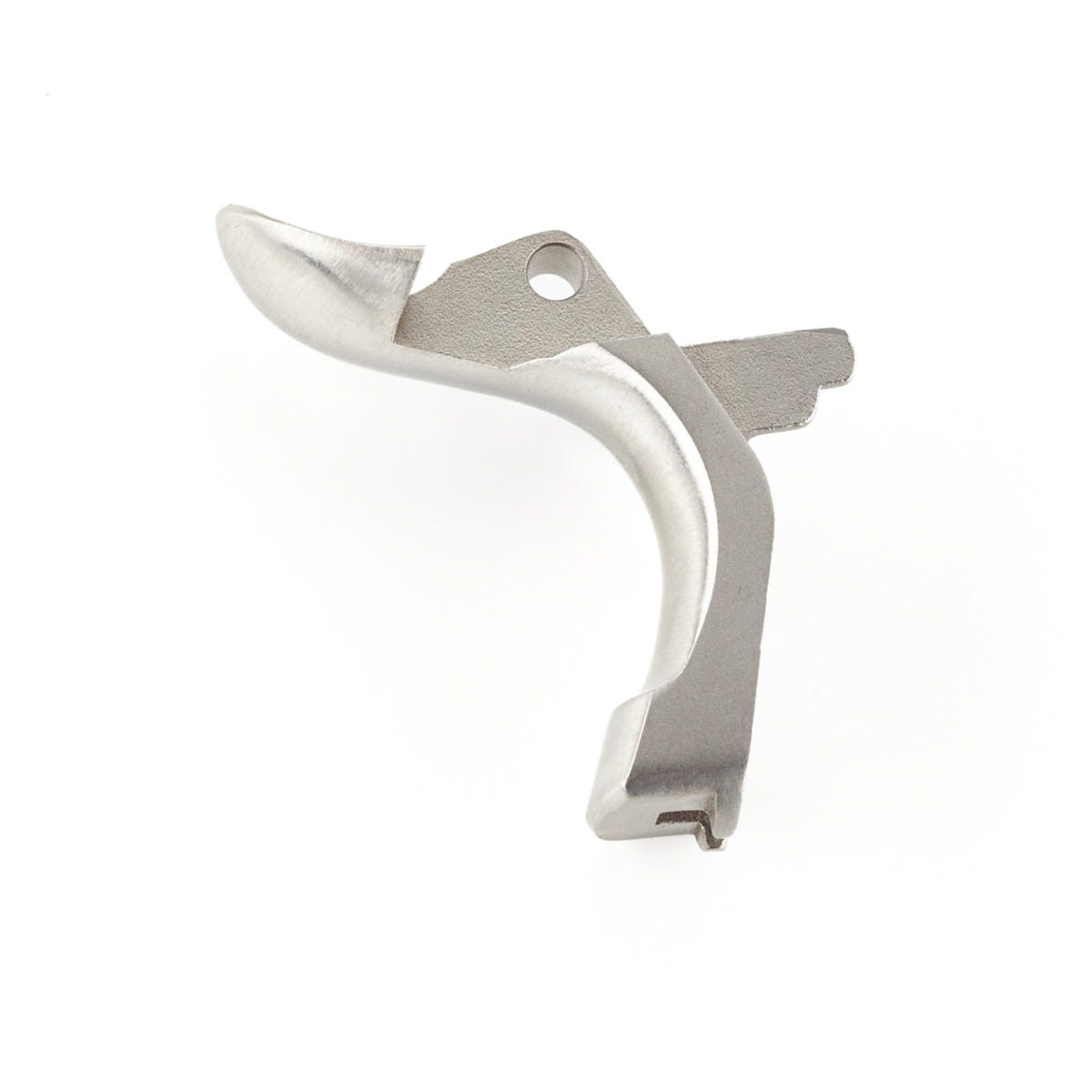
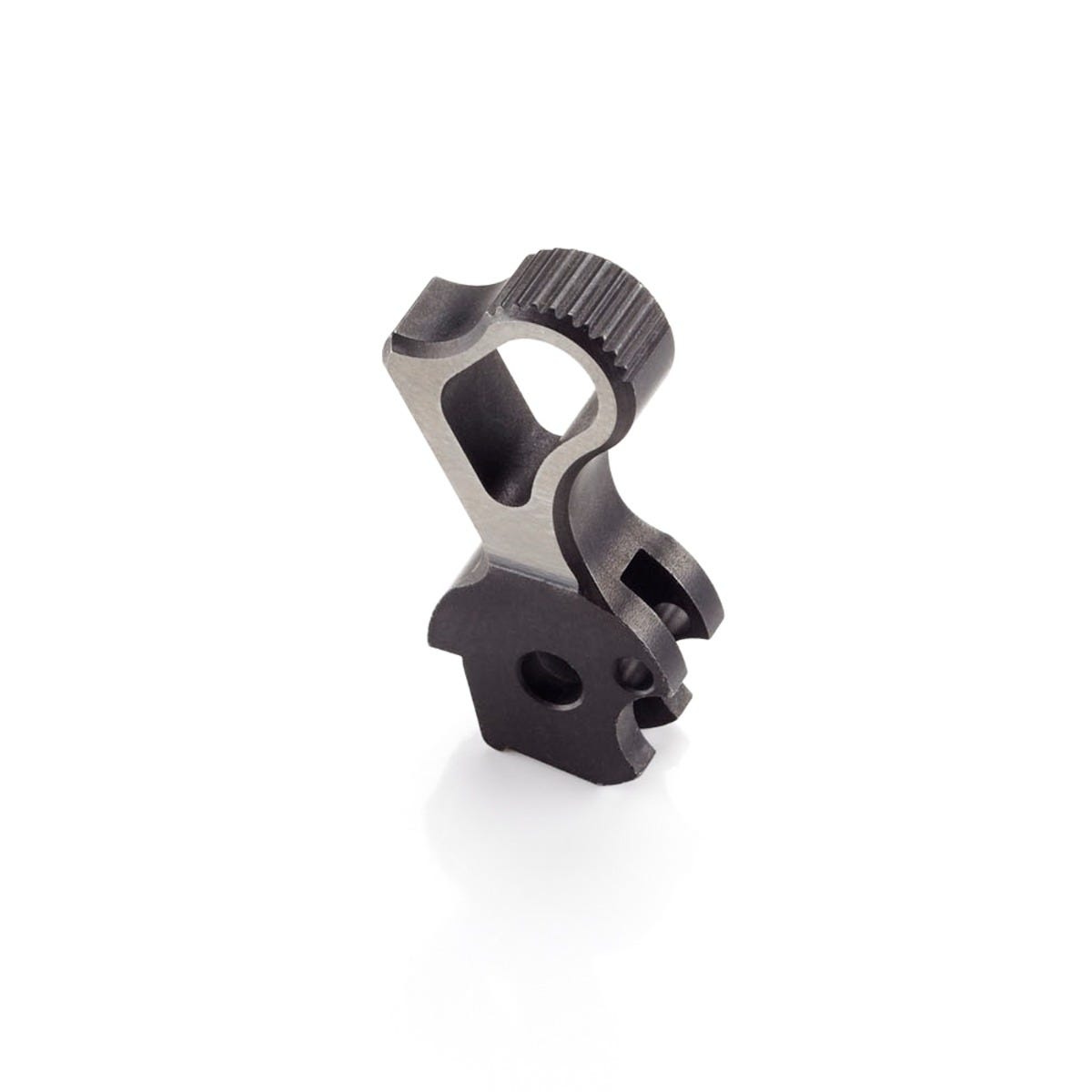
Trigger & Ignition System - A refined trigger, hammer, and sear contribute to a lighter, crisper pull and consistent shot breaks, improving control and accuracy. Lightweight trigger components also enhance safety by reducing the risk of unintended firing due to recoil inertia.
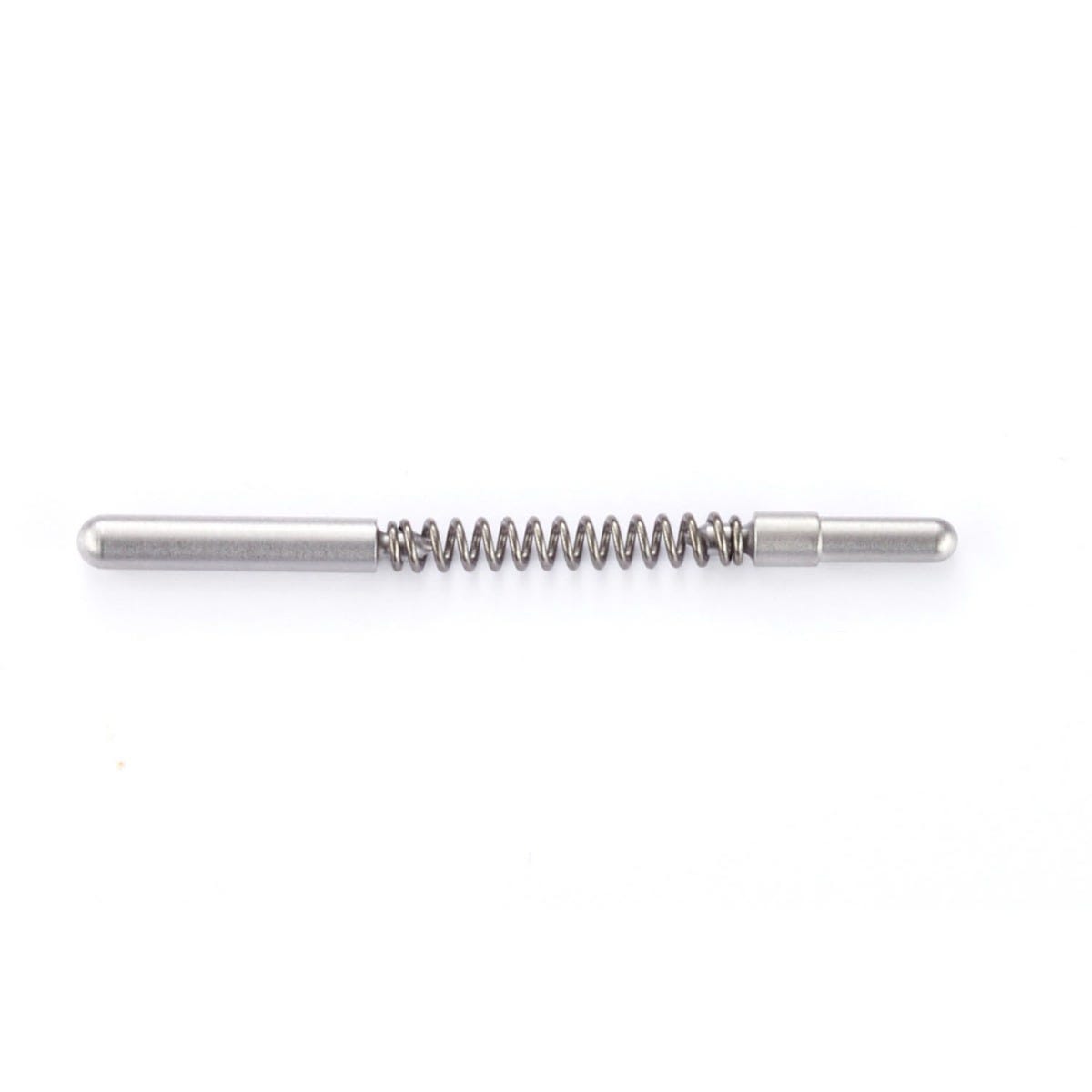
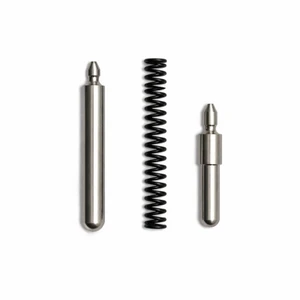
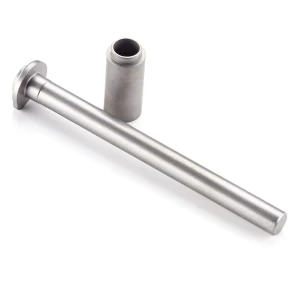
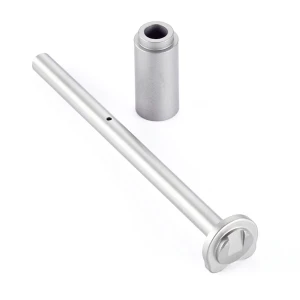
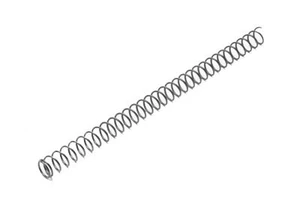
Recoil Management - Optimized recoil springs, guide rods, and Shok-Buffs absorb impact, reduce wear, and ensure smoother cycling, extending the firearm's lifespan and improving comfort. Wilson Combat's flat wire springs offer exceptional durability, lasting significantly longer than conventional springs.
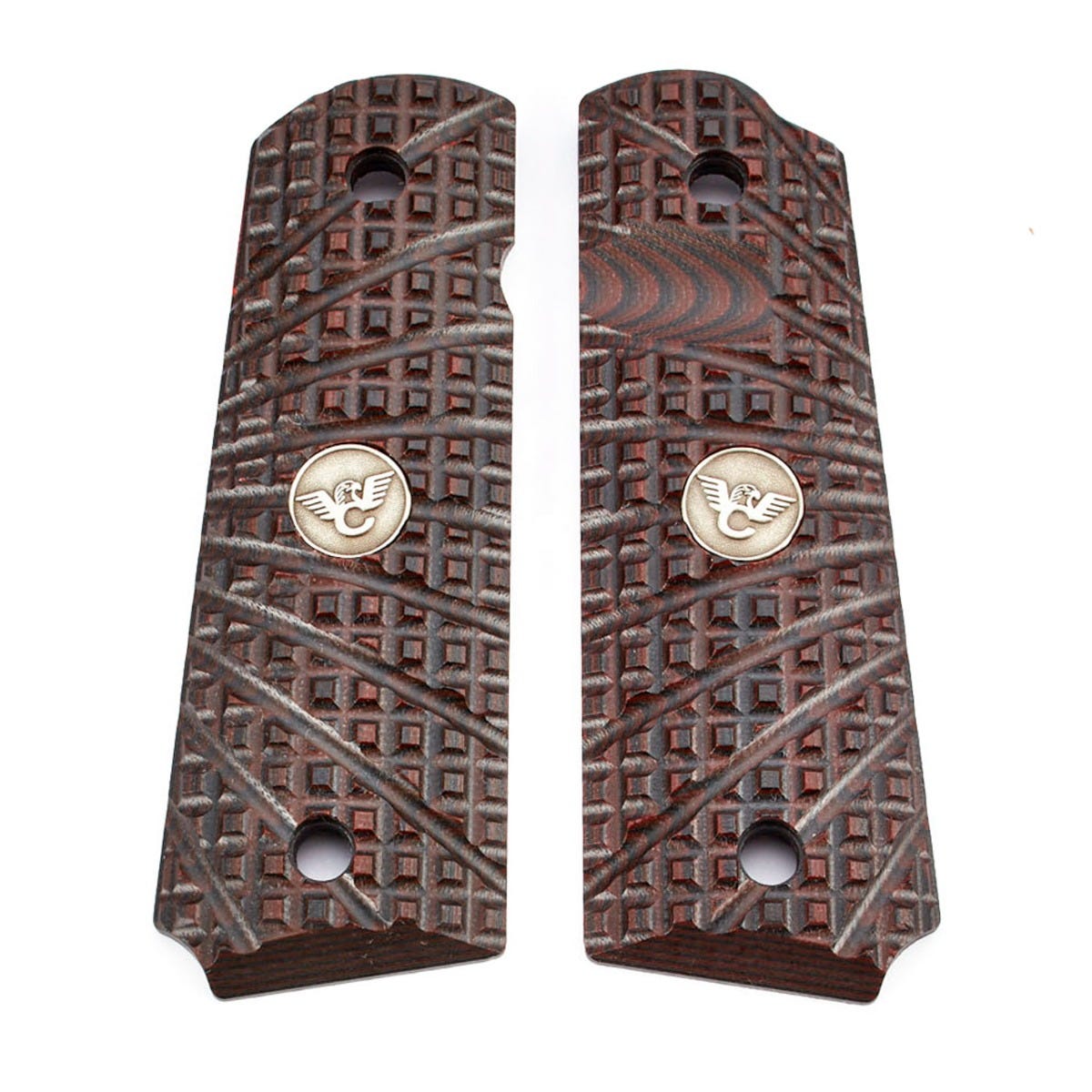
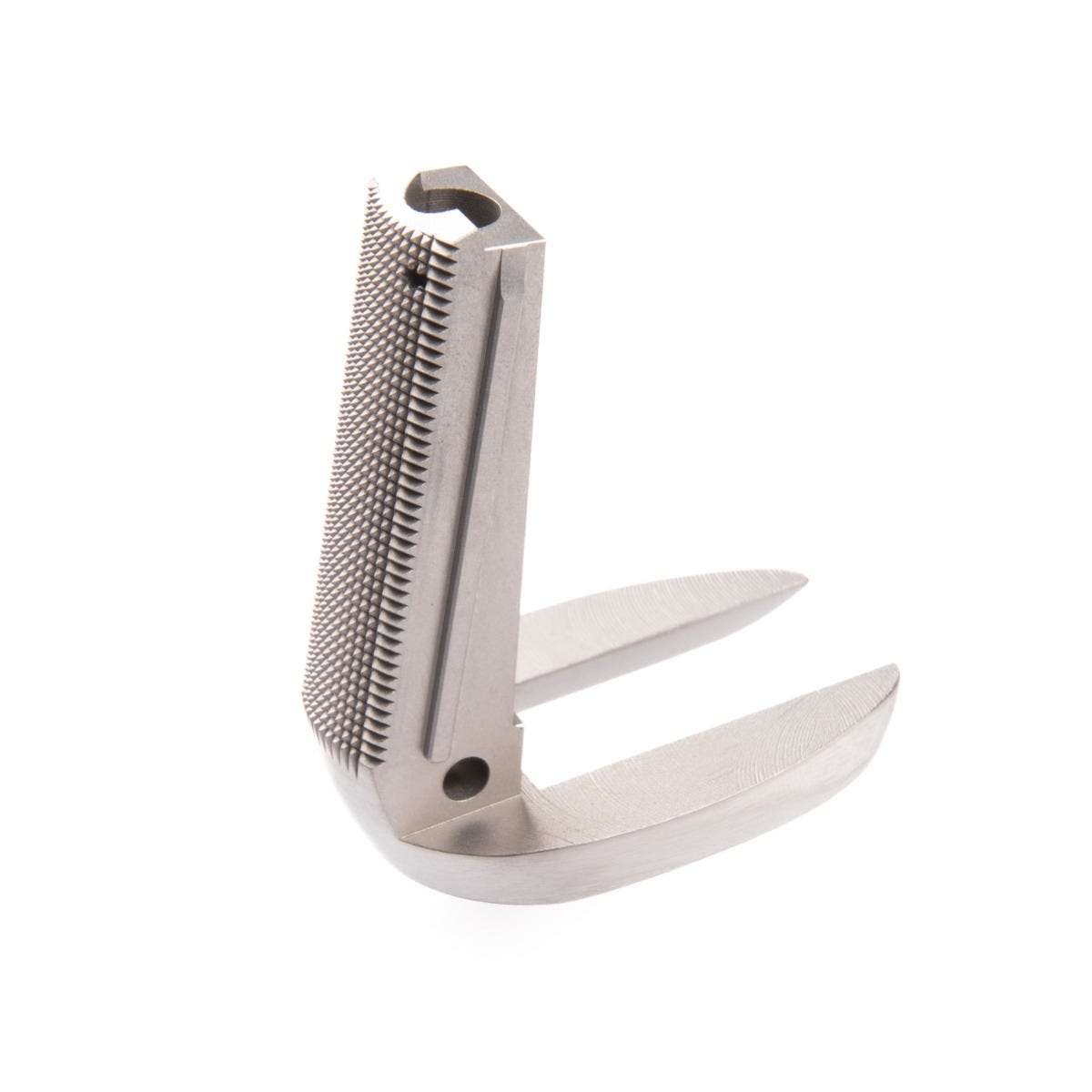
Grips & Handling - Custom 1911 grips provide a secure hold for managing recoil and maintaining accuracy, while magwells facilitate faster magazine changes for improved handling efficiency.
Sights - Clear and effective sights are fundamental for accurate target acquisition. Upgraded sights with fiber optic or tritium inserts offer superior visibility in various lighting conditions, enabling quicker and more precise aiming.
Understanding the various components of a 1911 pistol is key to selecting the right parts for upgrades or replacements. Each part plays a vital role in the firearm's overall performance, from its accuracy and reliability to its ergonomics and handling. To assist in navigation, the following table outlines key 1911 part categories and their primary functions, providing a quick reference for identifying components relevant to specific performance enhancements.
| Category | Function/Benefit | Parts |
|---|---|---|
| Barrels | Accuracy & Velocity | Barrel, Bushing, Barrel Links |
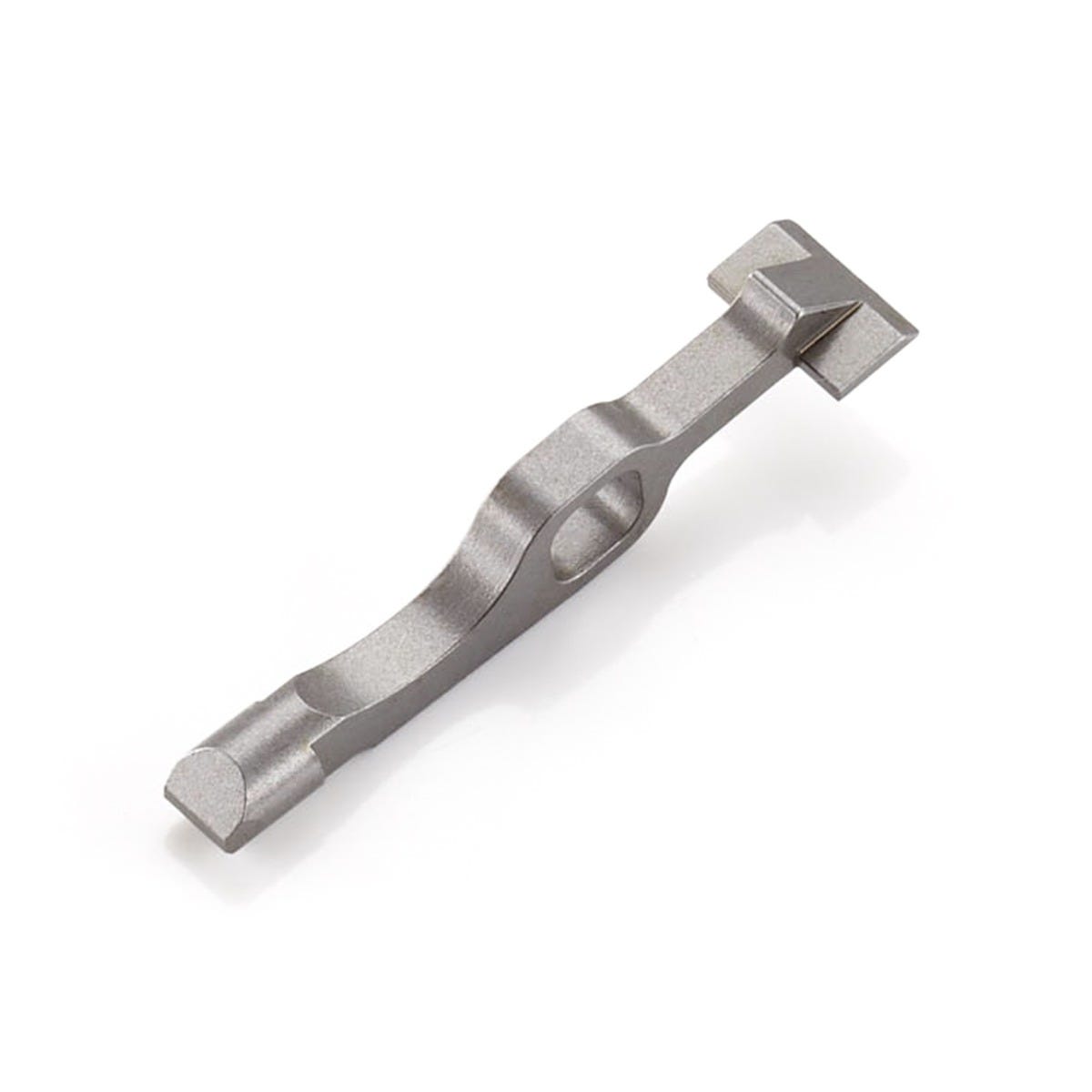
| Triggers & Ignition | Firing Sequence Control | Hammer, Sear, Disconnector, Trigger |
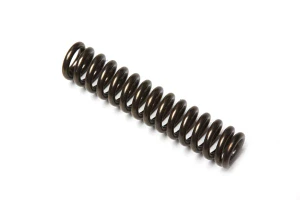
| Recoil Systems | Recoil Absorption & Cycling | Recoil Spring, Guide Rod, Shok-Buff |
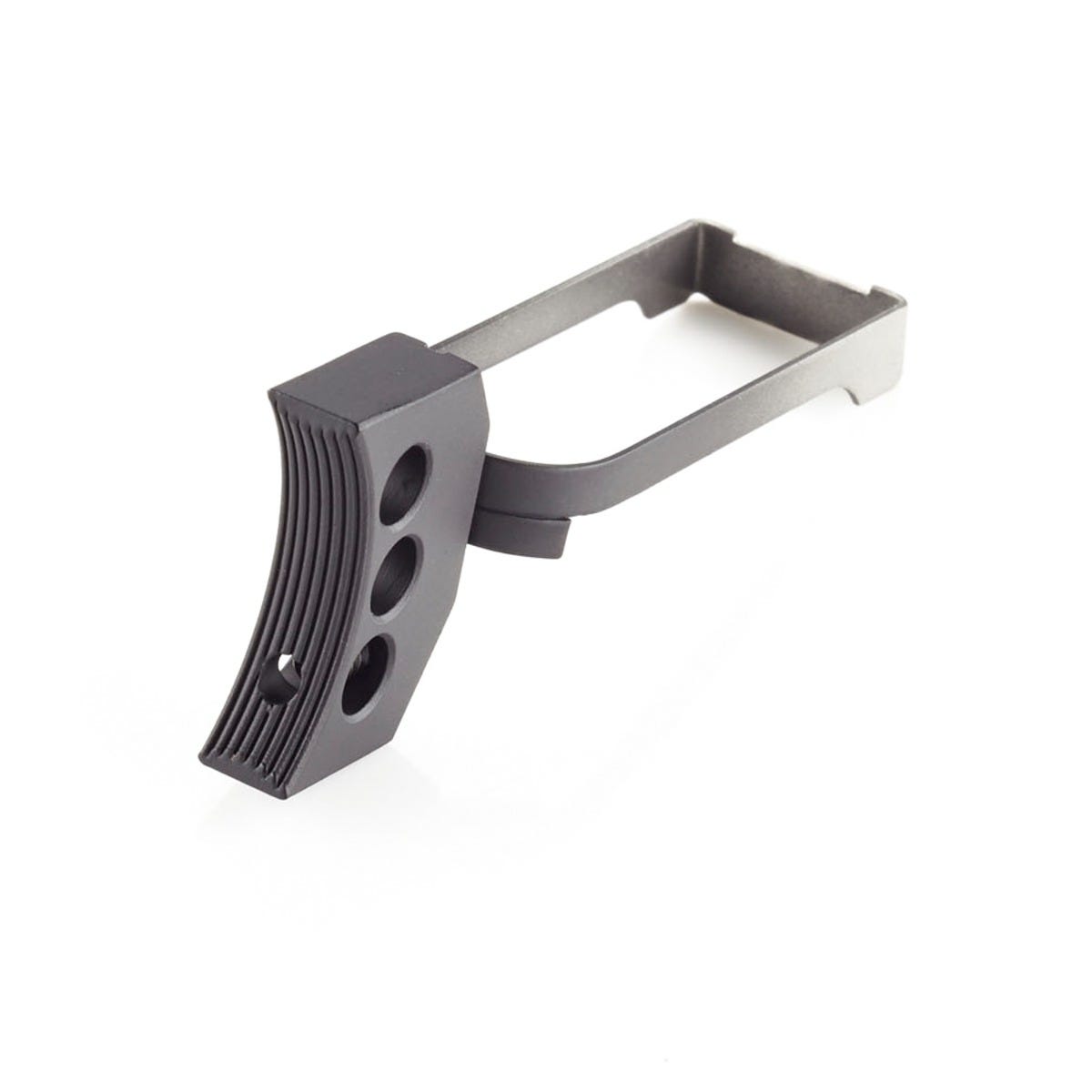
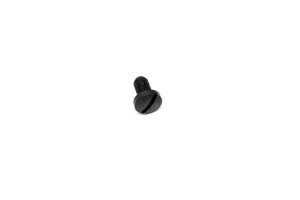
| Grips & Handling | User Interface & Comfort | Grip Panels, Grip Screws, Magwell |
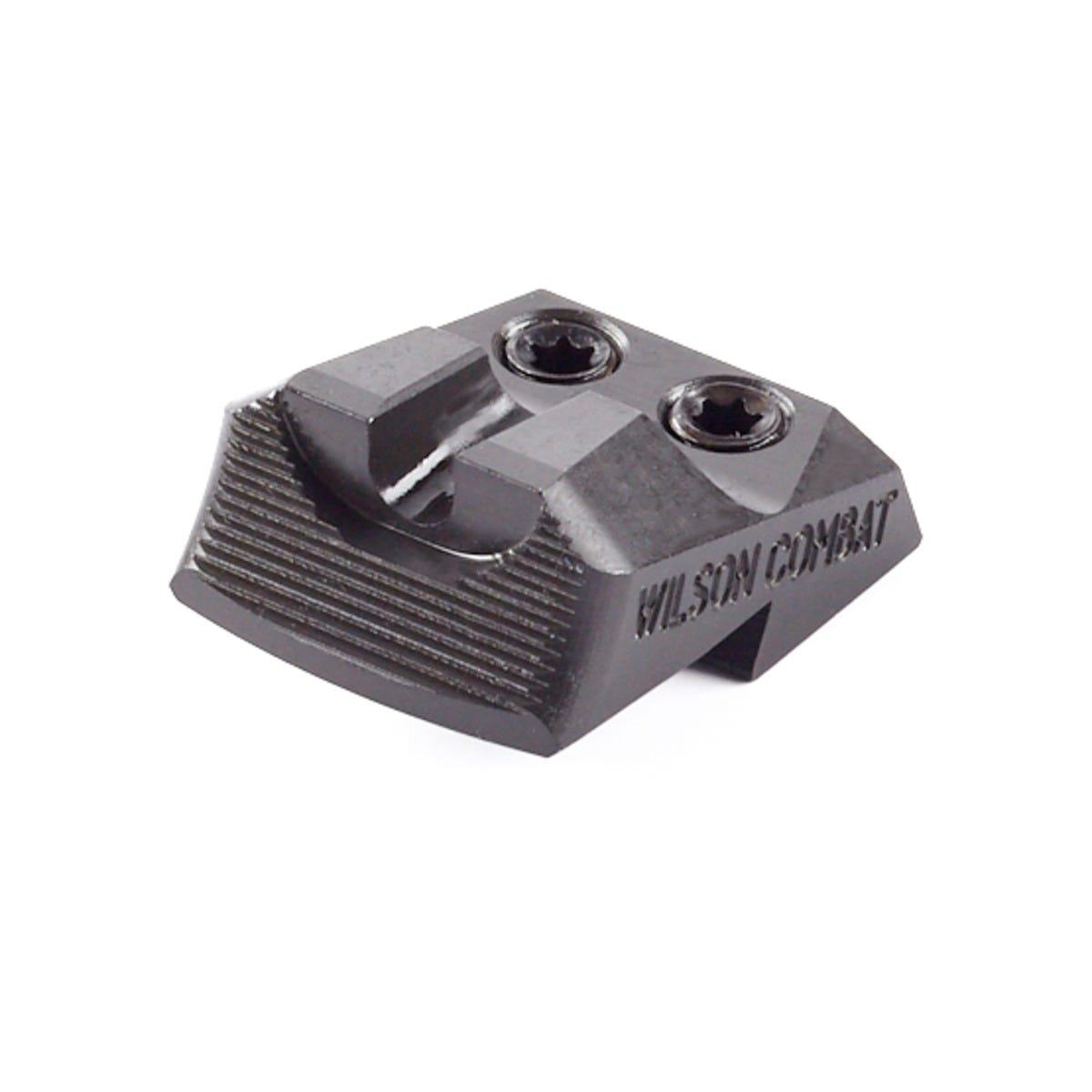
| Sights | Aiming & Target Acquisition | Front Sight, Rear Sight |
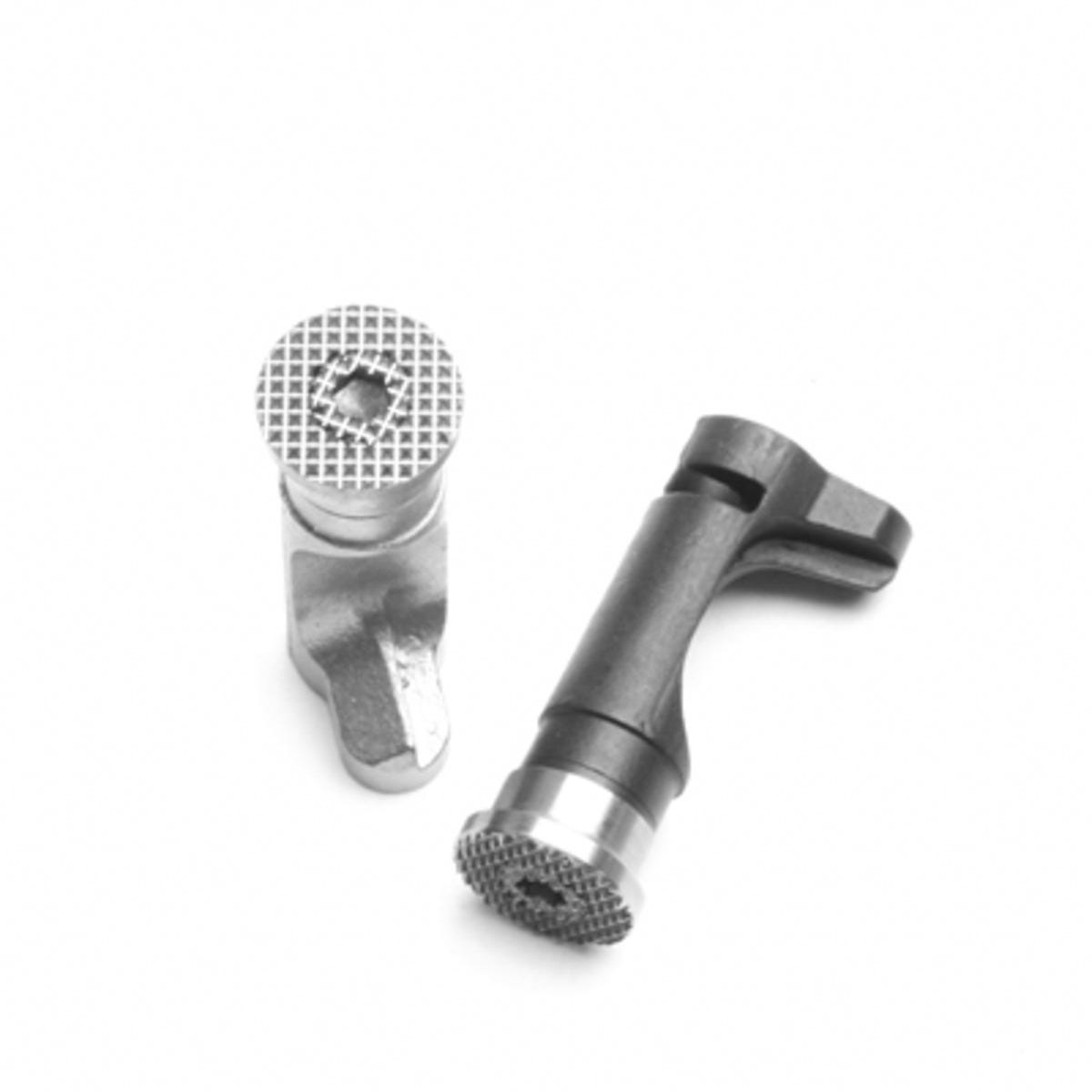
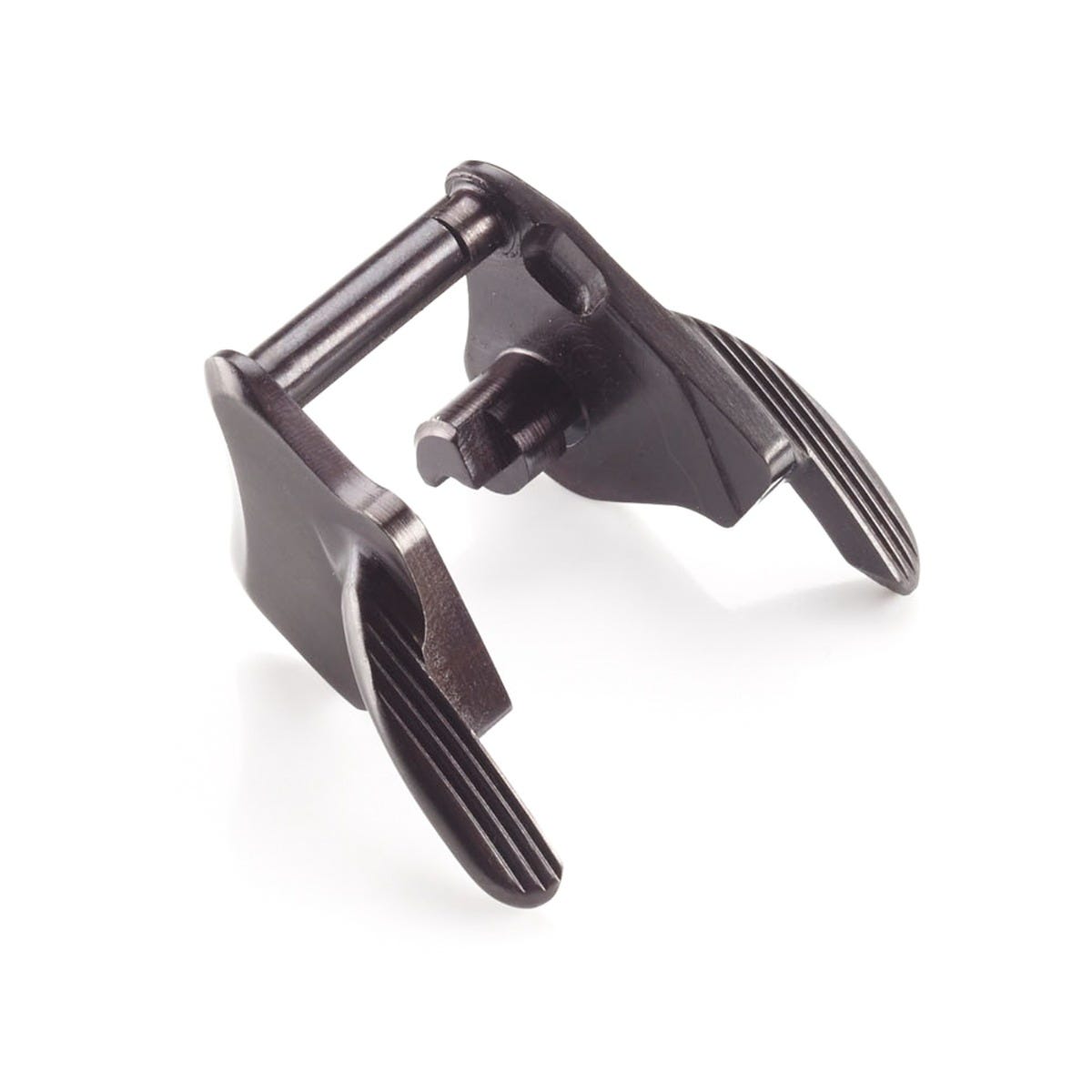
| Safeties | Accidental Discharge Prevention | Grip Safety, Thumb Safety |
| Magazine Parts | Ammunition Feeding | Magazine Catch, Magazine Well |
| Frame Parts | Structural Integrity | Frame, Mainspring Housing |
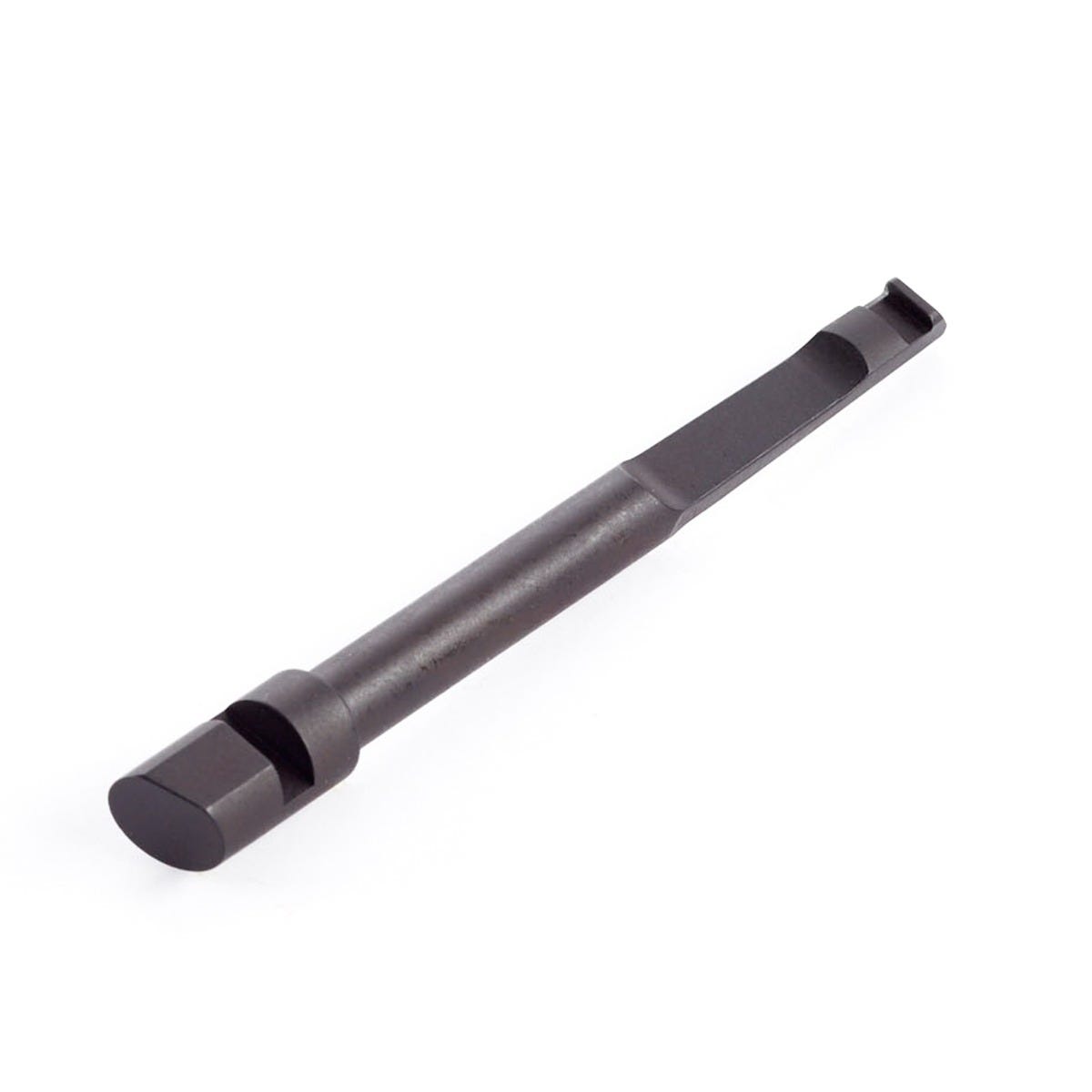
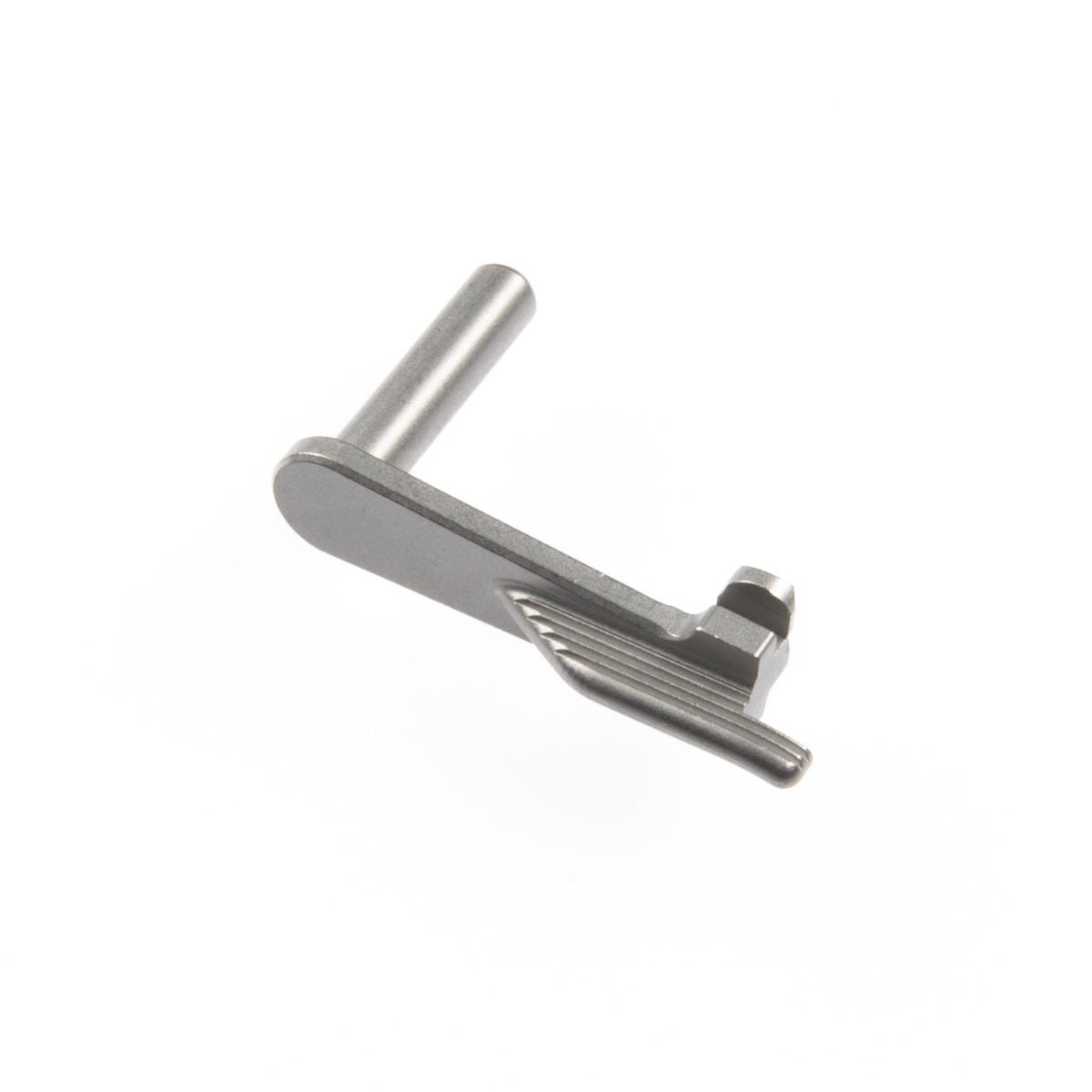
| Slide Parts | Component Retention | Slide Stop, Extractor |
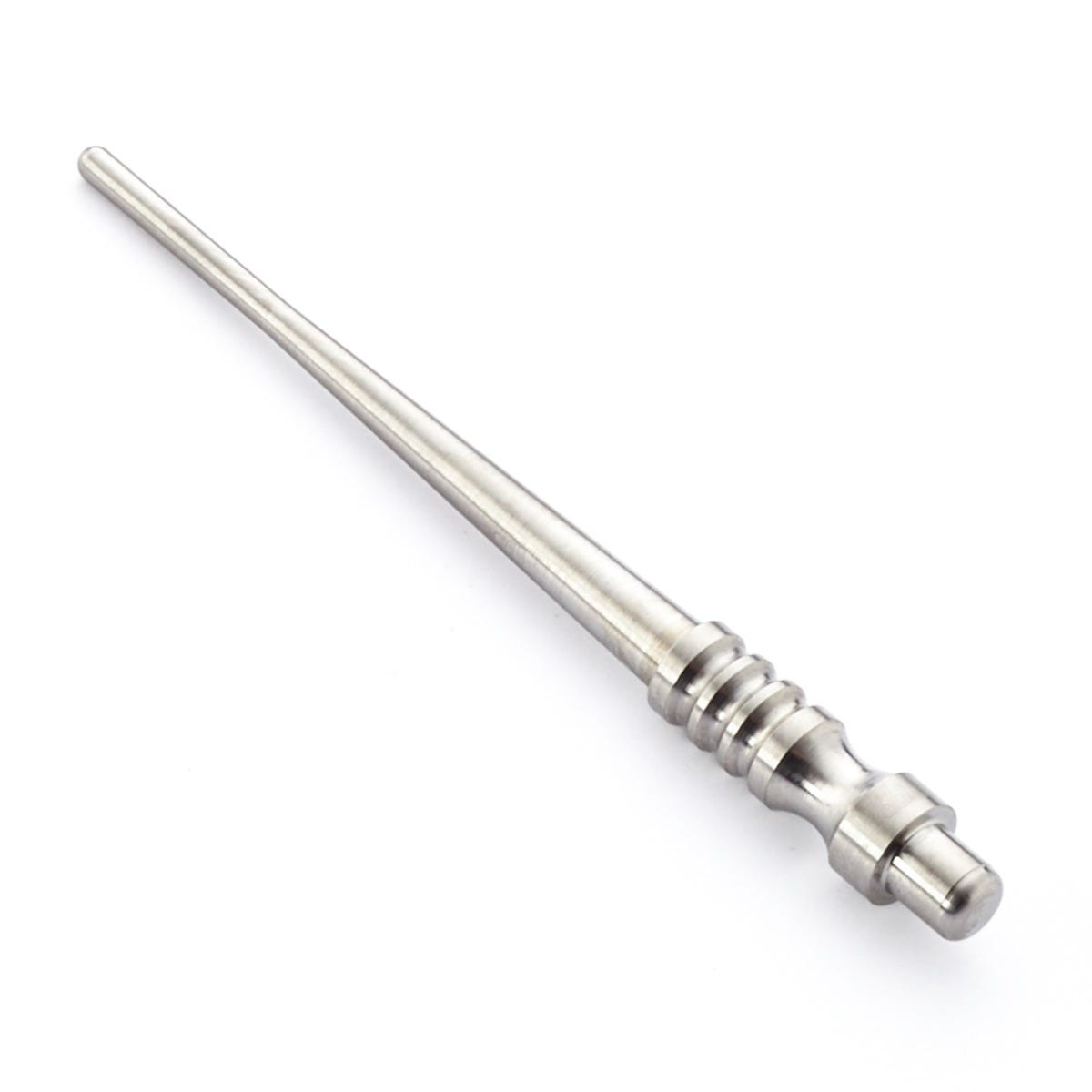
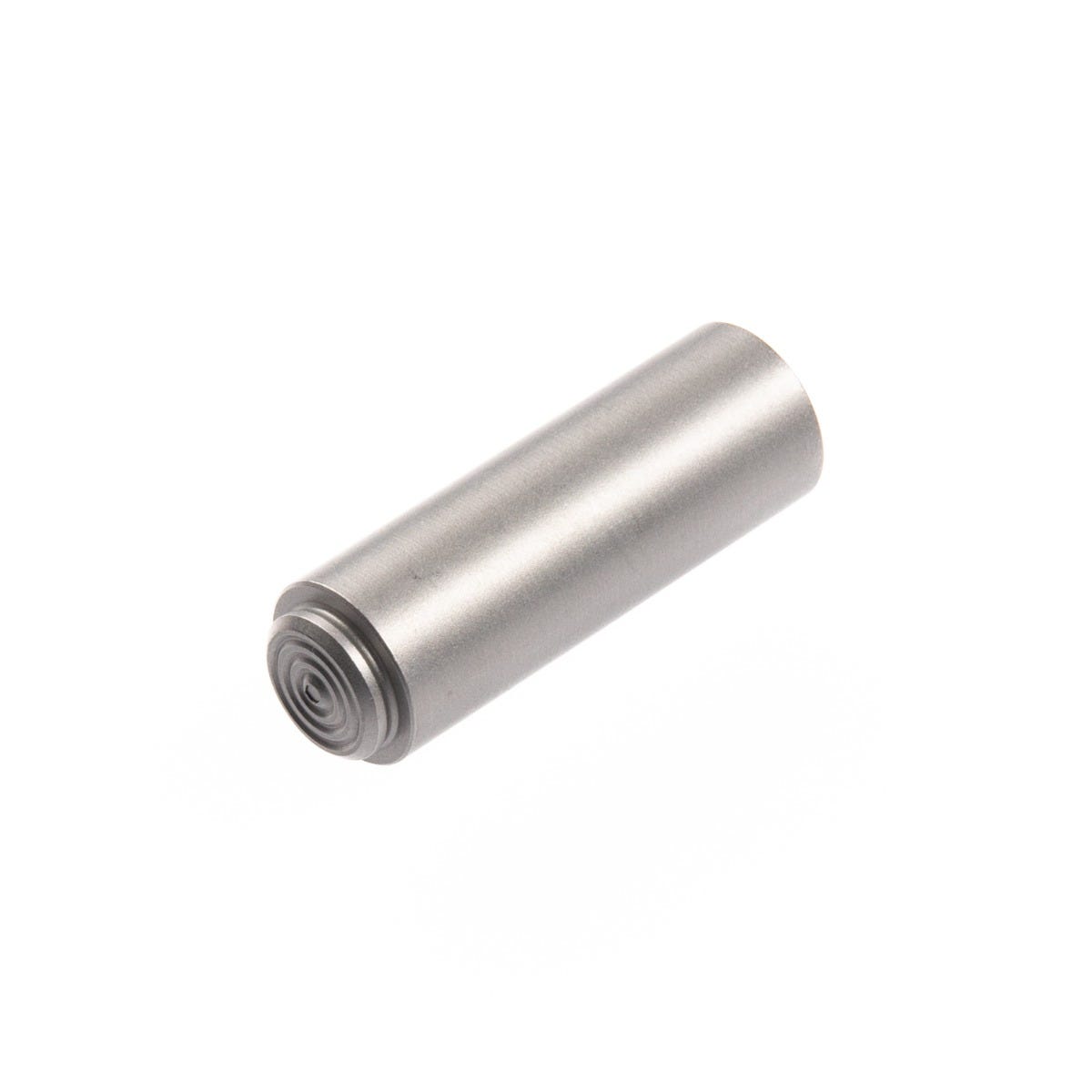
| Pins | Component Retention | Hammer Pin, Sear Pin, etc. |
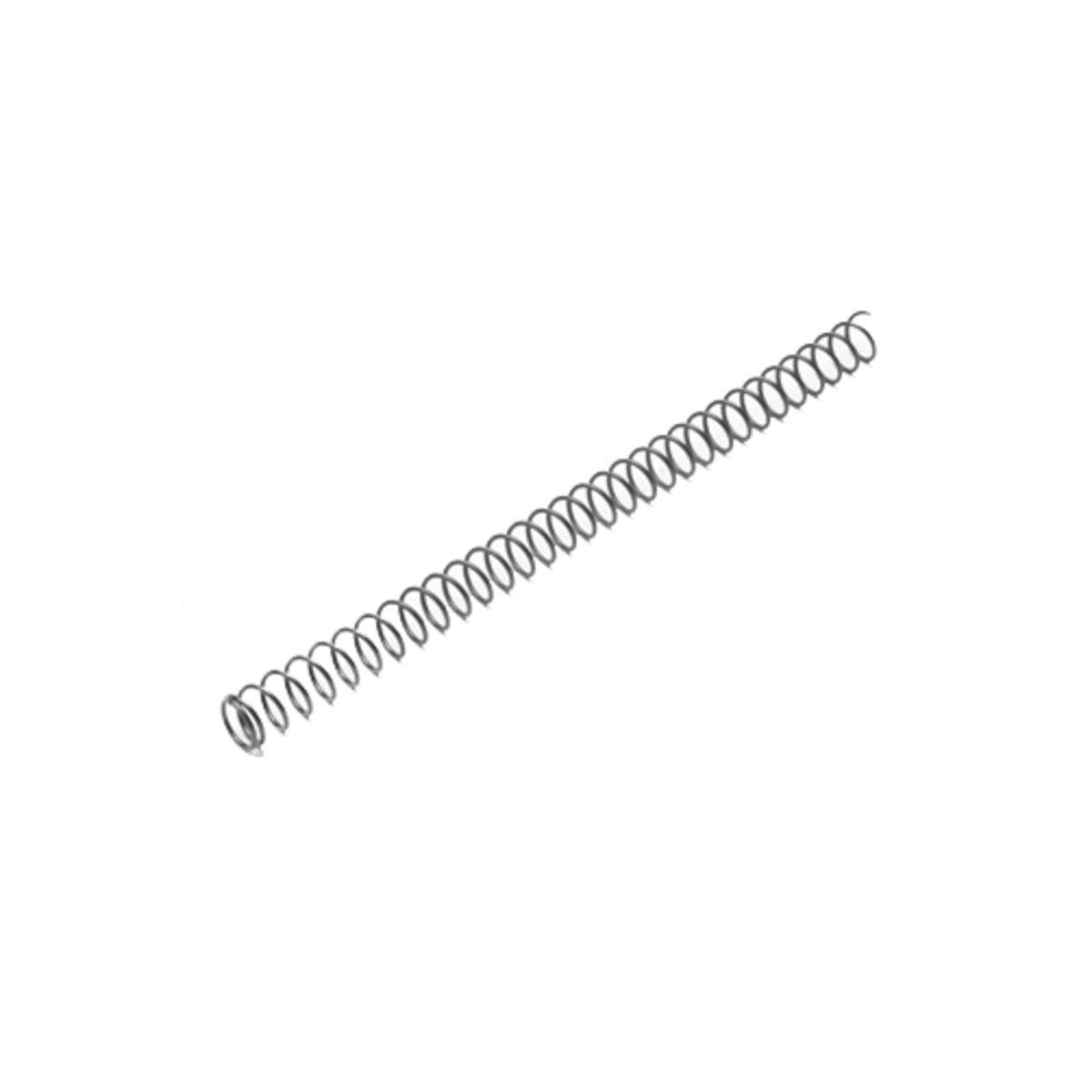
| Springs | Operational Tension | Recoil Spring, Mainspring, Firing Pin Spring |
| Tools | Maintenance & Assembly | Specialized 1911 Tools |
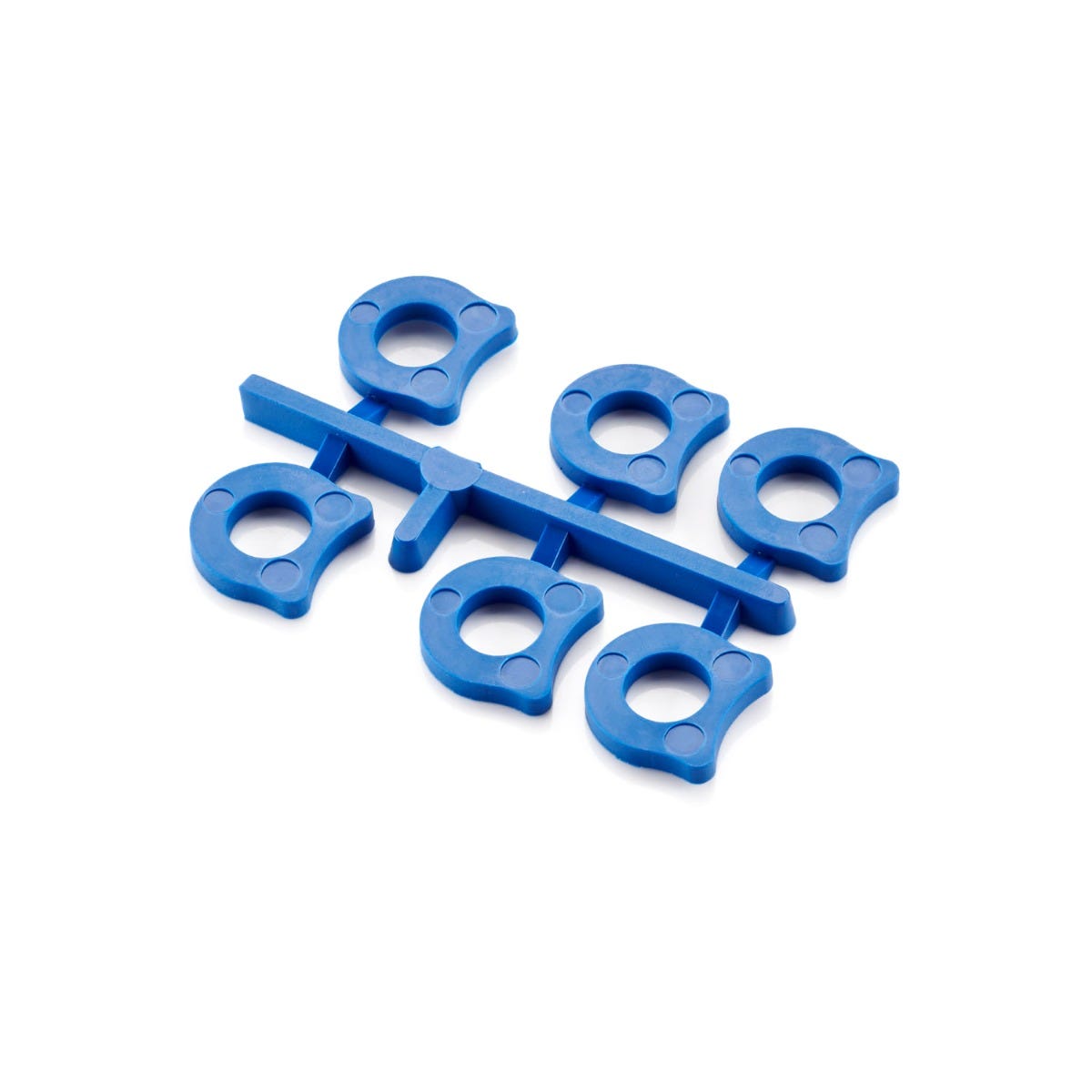
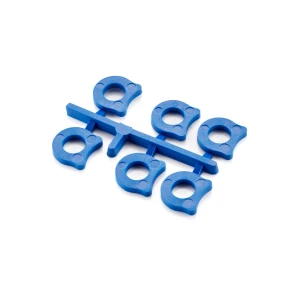
| Miscellaneous | General Enhancements | Conversion Shims, Frontstraps |
With heavy use or extended periods of time, springs are considered "consumable" parts in a 1911 and require periodic replacement to maintain optimal function and prevent accelerated wear on the frame.
Recoil Springs - These are the most frequently replaced springs. While conventional recoil springs may need replacement every 2,000-5,000 rounds, Wilson Combat's flat wire recoil springs can last significantly longer, with recommended replacement intervals up to 40,000 rounds, offering exceptional durability and reduced maintenance frequency. Shorter barrel models (e.g., 3-inch Defender and 3.5-inch Officer models) may require more frequent recoil spring replacement, sometimes as often as every 500 to 1,800 rounds, due to their "tighter window of operation" and increased stress on components. This shorter lifespan for compact models highlights a critical maintenance consideration, as neglecting spring replacement can lead to accelerated frame wear.
Firing Pin Springs - Recommended replacement every 5,000 rounds to ensure proper firing pin safety and reliable primer ignition.
Hammer Springs (Mainsprings) - These typically have a much longer lifespan, often recommended for replacement around 25,000 rounds.
Other Components - Key parts like the firing pin stop and slide stop should be replaced if cracked or broken. The extractor should be replaced if its hook edges become worn or it fails to maintain proper tension, as this directly impacts reliable cycling and prevents malfunctions.
The table below summarizes recommended replacement intervals for key 1911 components:
| Component | Recommended Replacement Time | Reason |
|---|---|---|
| Recoil Spring (Conventional) | Every 2,000-5,000 rounds | Prevents frame wear, ensures smooth cycling |
| Wilson Flat Wire - Recoil Spring | Up to 40,000 rounds | Extended lifespan, reduced maintenance |
| Recoil Spring (3 to 3.5-inch models) | Every 500-1,800 rounds | Higher stress on components, prevents frame damage |
| Firing Pin Spring | Every 5,000 rounds | Ensures reliable ignition and firing pin safety |
| Hammer Spring (Mainspring) | Every 25,000 rounds | Maintains firing mechanism integrity |
| Firing Pin Stop | When cracked | Safety and function |
| Slide Stop | When broken | Safety and function |
| Extractor | When hook edges worn or fails tension | Ensures reliable extraction and cycling |
Common upgrades often focus on enhancing accuracy, reliability, and ergonomics. Popular choices include:
Barrels - Upgrading to a match-grade or threaded barrel can significantly improve accuracy and allow for muzzle device attachment.
Triggers & Ignition Components - A refined trigger, hammer, and sear can lead to a lighter, crisper pull and more consistent shot breaks.
Sights - Upgraded sights, particularly those with fiber optics or tritium, offer superior visibility and faster target acquisition in various lighting conditions.
Grips & Magwells - Custom grips improve comfort and control, while magwells facilitate faster magazine changes.
Recoil Springs & Guide Rods - Upgrading these can optimize recoil management and extend the pistol's lifespan.
A "drop-in" barrel is designed to be installed with minimal or no gunsmithing. While they offer an improvement over worn factory barrels and can provide good accuracy, they typically have looser tolerances to ensure broad compatibility.
A "fitted" barrel (often referred to as a "match-grade" barrel in its truest sense) is intentionally manufactured with oversized dimensions. It requires a skilled gunsmith to meticulously remove material and precisely fit it to the specific slide, frame, and barrel bushing. This custom fitting process ensures optimal lockup and consistency, which is the primary factor in achieving the highest levels of accuracy.
Recoil spring replacement frequency depends on the spring type, pistol size, and ammunition used.
Conventional Recoil Springs - Generally, these should be replaced every 2,000 to 5,000 rounds to prevent excessive wear on the frame and ensure reliable cycling.
Wilson Combat Flat Wire Recoil Springs - Our advanced flat wire springs are engineered for exceptional durability and can last significantly longer, with recommended replacement intervals up to 40,000 rounds.
Compact 1911s (3 to 3.5-inch barrels) - Due to their shorter slides and higher stress on components, these models often require more frequent recoil spring replacement, sometimes as often as every 500 to 1,800 rounds, to prevent frame damage and maintain function.
A good indicator for replacement is when ejected brass flies significantly farther than normal, or if the pistol begins to experience malfunctions like failures to return to battery or slide slamming the frame excessively.